
sales training that shows up in your numbers
We help to improve the performance of your sales people in the key situations that help them deliver value, and we show you the results
More Sales Please
Every business wants more sales. The question is: what needs to be done to get more sales? There are, broadly- speaking, two options:
- Generate more leads
- Close a higher percentage of the leads you’re currently getting
In all sales opportunities, there is one critical component: people.
To close a higher percentage of leads, your sales team needs sales skills. That means both the theory (how to implement your preferred sales methodology) and they need people skills:
- How to identify the type of person they are interacting with.
- How to instantly adapt their behaviour according to that type.
It all comes down to how they behave at the critical moments during that sales process. That is where we come in…
How we work with you
We don’t start with a course. We start with your business. Together, we work out four things:
- The results you want. More sales, faster ramp-up for new hires, higher conversion, smaller gaps between your best and weakest performers, or customers who stay longer and spend more.
- The conversations that need to improve. Pricing talks, big negotiations, discovery calls, handling objections, renewals, upselling, sharing bad news, or the quick three-minute chat that can make or break a deal.
- What your people need to do differently. Lead the conversation instead of just reacting. Explain value clearly. Protect price while building trust. Adapt to any customer. Close deals that make commercial sense.
- How you’ll know it worked. We agree up front how we’ll measure the change, so you can see it in your results, not just in feedback forms.
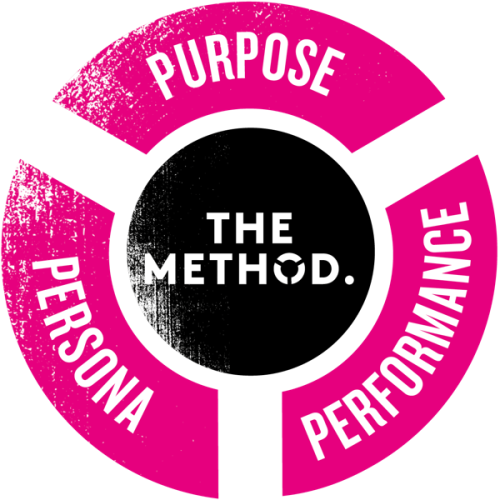
Why this works
Your team doesn’t need another sales method. They need to get better at the conversations that count.
Most sales training teaches a method: a set of steps or a model to follow. People learn it on the course, but when they’re in front of a real customer, it often falls away. Real conversations don’t follow a script.
We take a different approach. We start by finding the moments where your sales are won or lost. That might be:
- the first three minutes with a busy customer
- telling a client their price is going up
- a tough negotiation on a big deal
- a renewal that’s at risk
Then we help your people get better at those exact moments. They practise the conversations they really have, with the customers they really meet, until they can handle them with confidence.
Why this works better:
- It’s relevant. People spend their time on what will make a difference to your results, not on theory.
- It sticks. Skills built around real situations are easier to remember and use on the job.
- It’s measurable. Because we know which conversations we’re improving, we can track the change in your numbers.
The results speak for themselves
96% of the Alight team felt better prepared for difficult customer negotiations.
99% of the Eli Lilly team felt they could speak about their products with energy and impact.
Plus a 153% increase in performance against target in first half year after product launch and a 128% Increase in sales versus the previous comparable period
SALES TRAINING FAQ
We know that you will have lots of questions, so let’s see if the answer you’re looking for is below. If we haven’t answered your question, click here and we will come back to you asap.
How do I know if my sales team need sales training?
Start with results
Are your team hitting their agreed targets? Are they able to identify where the issues lie? If the answer to either of these questions is no, there is a training need.
If results are slipping, good people or teams aren’t delivering, the real question isn’t what what sales methodology they are using, but how are they performing in the critical moments that influence a sale.
What’s the difference between Sandler, SPIN Selling, Challenger, and MEDDIC? Which one suits my team?
The truth is that most sales reps don’t stick to the methodology anyway. They will use different aspects of many of them, dependent on how the sale is going. It isn’t about the sales methodology you use; it’s about how your sales team perform in the critical moments of the sales process.
My sales team keeps missing targets. What kind of sales training would help?
Missed targets usually aren’t a knowledge problem. Your team likely knows the product. What goes wrong is how they perform in the specific conversations that decide whether a deal is won or lost.
So instead of starting with a training course, we start by:
- defining your performance objectives,
- identifying where people’s performance affects the result,
- building the performance you need, and
- evidencing what changes.
For sales teams, that means pinpointing the moments that matter most to you.
What training do new salespeople need in their first 90 days?
For new salespeople, the most relevant sales training is about how to behave. You will be training them all about the products or services they will be selling. The skills they need to add will be things like:
- How to flex their sales style to engage different customer types
- How to build instant rapport when there is no existing relationship
- What to do to make sales conversations more impactful and memorable
- How to embody the behaviours of a trusted partner
These are the skills that will make them stand out against the competition.
How do I train my sales managers to coach their teams better?
Give the sales reps and the sales managers the same system.
Sales reps use the system to improve their sales performance, while managers use it to support and coach that performance. Everyone has a shared system and language to prepare for, perform in and learn from the moments that matter.
My reps struggle with cold calling and objections. What training should I look for?
Objections are a critical moment in the sales process. Being able to stay calm, credible and in control in these high-pressure moments is vital. You will have given them responses to every objection they are likely to get. It is not what they say, but how they deliver the response that matters.
With cold calling, much of the problem is getting past the gatekeeper. Learning how to influence different types of people and flexing their communication style so they can engage with anyone will improve results considerably.
What are the key skills that make sales employees successful?
Product knowledge matters, but it’s rarely what sets top performers apart.
The best salespeople are good listeners. They ask questions that uncover what the customer really needs.
They explain value clearly and simply, without overselling.
They stay calm when a conversation gets difficult, whether that’s an objection, a price discussion or a tough negotiation.
And they can lead a conversation rather than just respond to it.
These are skills that can be learned and improved with the right practice.
How can I instil drive in my sales teams?
Drive grows from confidence.
When people feel unsure in front of customers, they avoid the conversations that matter or rush through them. When they feel capable, they go looking for those conversations.
Help your team build confidence in the moments they find hardest. Set clear goals they believe they can reach. Notice and talk about progress, not just results. Managers make a big difference here: regular, specific feedback keeps energy up far more than a target on a spreadsheet.
You can see how what we do delivers confidence here.
How do I help sales get past the gatekeeper?
Treat the gatekeeper as a person to win over, not an obstacle to get around.
Gatekeepers protect their colleagues’ time, so the way through is to show quickly why the conversation is worth having. Be polite, clear and confident. Say who you are and why you’re calling in a sentence or two. Show respect for their role and ask for their help. The first 30 seconds matter most, so it pays to practise them until they sound natural rather than scripted. You can find more about this here.
How can I support my sales team to adapt their communication style to engage all roles and levels of seniority?
Different people care about different things.
- A senior leader wants the big picture and the business impact, in a few minutes.
- A technical expert wants detail and proof.
- A buyer is thinking about cost and risk.
Your team needs to read who they’re talking to and adjust what they say, how much detail they give and how they say it. The best way to build this skill is to practise with realistic scenarios, getting feedback on how they come across, not just what they say.
What are the important goals to set for a sales team?
Revenue targets are important, but on their own they only tell you what happened, not why.
Good goals also look at the things that drive results: conversion rates, how quickly new hires become productive, how many customers renew, and how much customers spend over time. It also helps to set goals for the quality of key conversations, such as discovery calls or negotiations.
When you know which conversations you want to improve, you can see whether training is making a real difference.
Why are performative and interpersonal skills so important for sales, not just technical skills?
Customers don’t just buy a product. They buy the person and the confidence that person gives them.
Two salespeople can have the same knowledge and the same pitch, but get very different results.
The difference is often how they come across: their presence, their voice, how well they listen and how they handle pressure. Technical skills get you into the room.
Performative and interpersonal skills are what make the customer trust you, remember you and say yes.
How do you keep your sales talent?
Good salespeople stay where they feel they’re growing and succeeding.
If they’re struggling with the same hard conversations month after month, they’ll lose confidence and look elsewhere. Invest in their development, and make sure it’s relevant to the challenges they actually face.
Give them clear progress to work towards.
Recognise their wins. Strong managers who coach rather than just track numbers are one of the biggest reasons people stay.
See how we can help you put this into practice here.

DON’T SPEND YOUR MONEY ON TRAINING. INVEST IT IN PROVEN BUSINESS RESULTS
Capability creates potential. Performance creates value.